Room 04 For athletes and executives
High performance is built when no one's watching.
Chasing high performance takes resilience, focus and follow-through when the stakes are high. You already know how to work hard. This is about the part that's harder to train: staying on track when it doesn't go to plan, and when no one's watching. That's discipline.
Talent and effort get you to the start line. Discipline gets you to the finish.
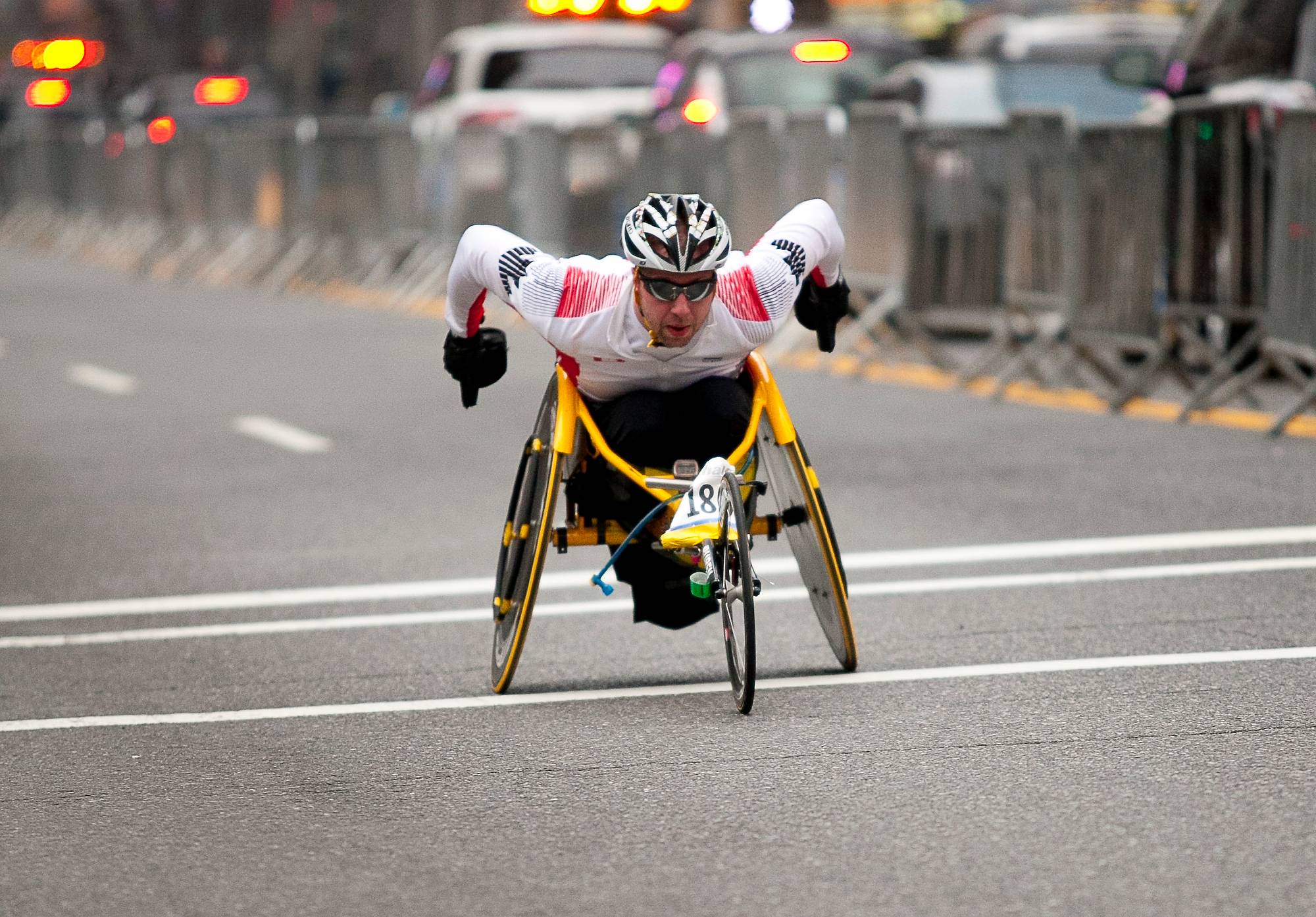
Reality check
You might be exceptional, but your challenges are not.
High performers rarely lack drive. What gets in the way is usually quieter than that. None of this is a character flaw. Discipline is a skill. Like endurance, it can be trained.
Athletes
- My training is solid, but my results have stalled.
- I'm back from injury. My body is ready. My head isn't.
- After a bad race, I can't find the motivation to start again.
- I know my race plan. Under pressure, I don't always follow it.
Executives
- I know what I should be doing. I'm just not doing it.
- I can push hard for a quarter. Keeping it up for years is different.
- When the pressure's on, my good habits are the first to go.
- My team looks to me for steadiness, and I'm running on empty.
How it works here
Plan it backwards. Live it forwards.
A big goal can feel out of reach. The logic model breaks it down to the behaviours worth focusing on. For Robert's Ironman, that was the training, session after session.
Step 6: Assess
Honest numbers: training load, sleep, stress, what's really working. Not where you think you are.
Step 5: Your why
The result that matters to you: the race, the season, the comeback, the turnaround.
Step 4: The behaviours
Start with the one or two that, done consistently, move performance most. It's often smaller than you think.
Step 3: What's in the way
Fear of failing, a past setback, old patterns under pressure, other people's expectations.
Step 2: The plan
Your coach, practice, recovery, the right people around you, and check-ins you'll actually keep.
Step 1: The tools
Small things done again and again: if-then plans, a pre-performance routine, a reset after a bad day.
Check in all the way through
- Are you doing what you said you would?
- Do you have what you need?
- Do you feel capable, in control and connected?
Built on a logic model and behaviour change science, drawing on nearly 100 proven behaviour change techniques.
Explore The Science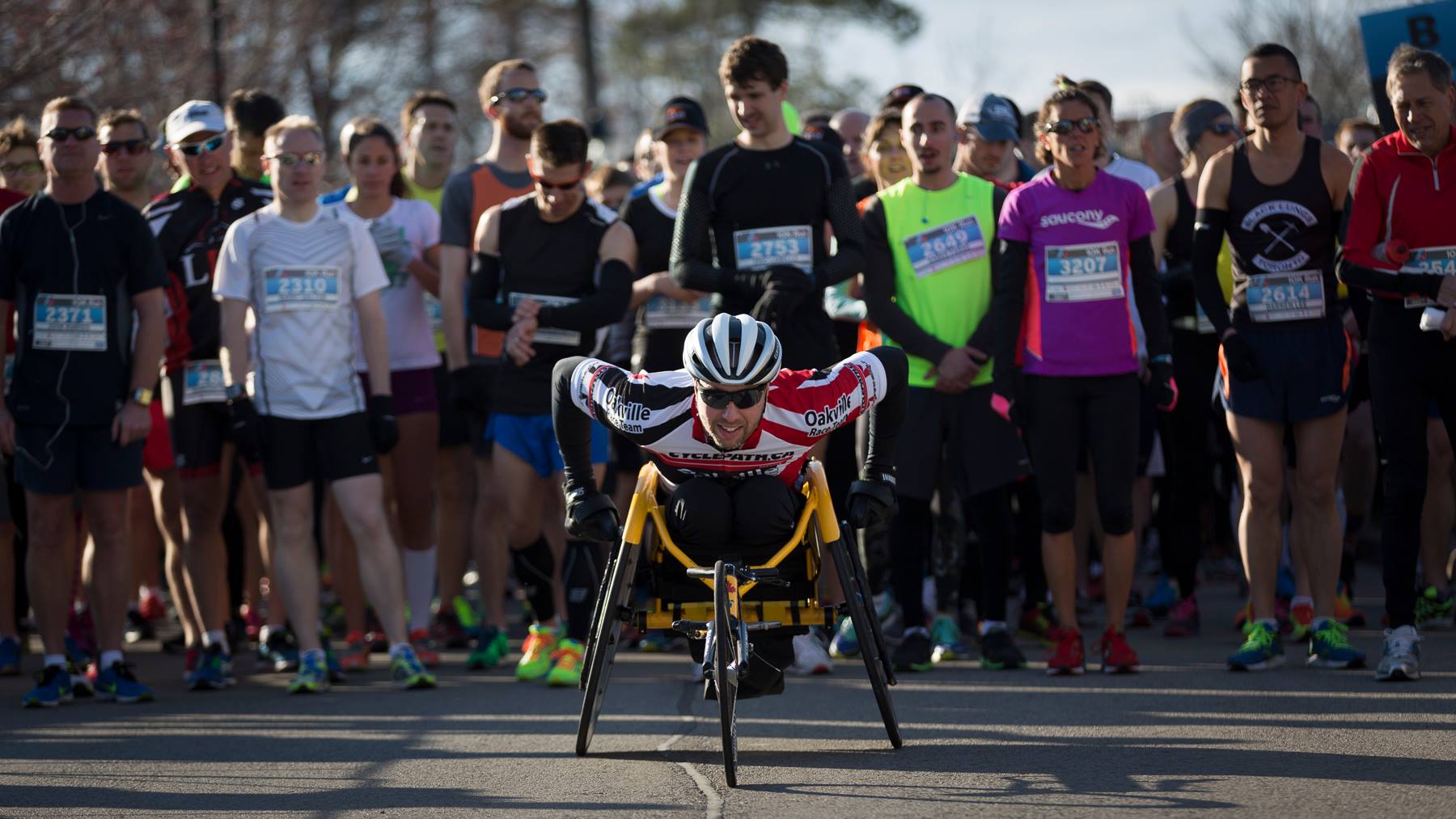
Where to go from here
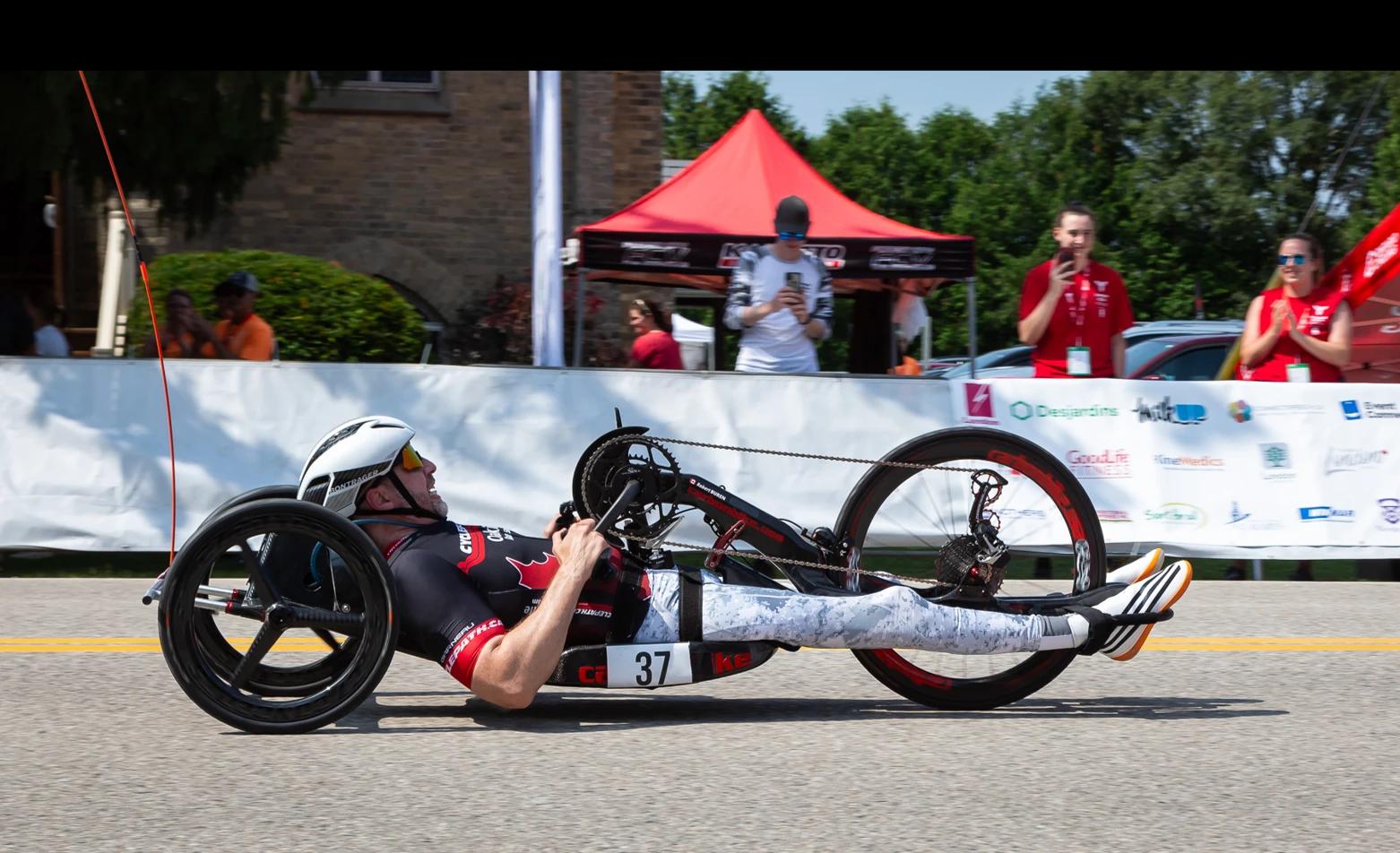
Three ways to work with Robert
Questions
Before you ask
Straight answers to what athletes and executives ask most.
I'm not an elite athlete. Is this still for me?
Yes. "High performance" means performing well when it matters to you, at any level. A first triathlon, a comeback season or a hard year at work all use the same process.
Do you write training plans or race strategy?
No. Robert isn't a triathlon or sport coach. He works on the behaviour side: what gets in the way, the habits that hold under pressure, and how you get back on track. He's happy to work alongside your coach.
Can you work with our whole leadership team, not just one person?
Yes. Teams usually start with a talk or workshop, then add one-to-one coaching for the people who want to go further.
Is coaching in person or online?
Mostly online by video, or in person where it makes sense. Places are limited, so the first step is a free 20-minute call.
Book Robert
Ready to do the work?
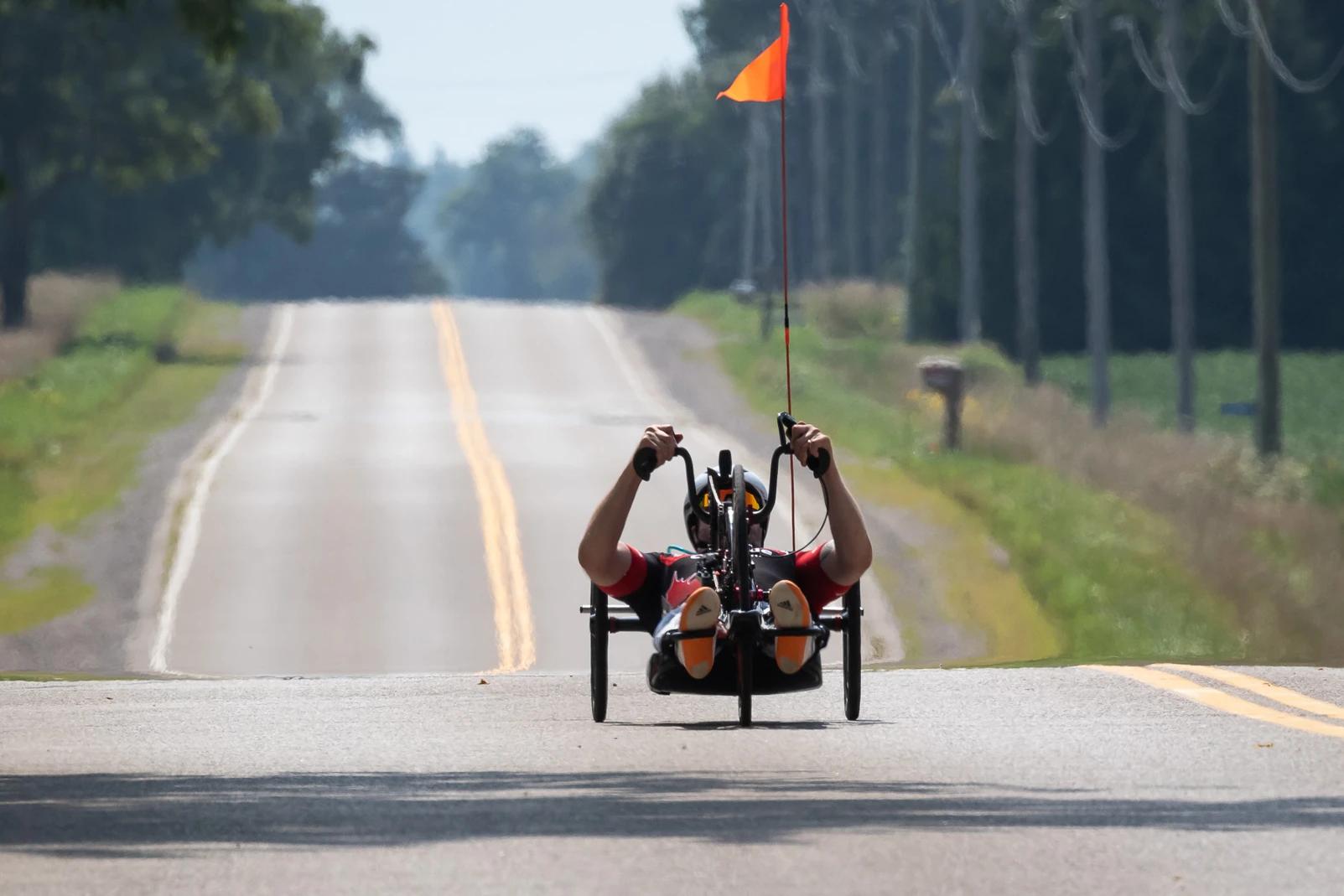
Talent and effort aren't the problem. Robert gives you the tools to follow through when it counts. Tell him about your goal, your season or your team, and Dr. Buren will tell you honestly whether he's the right fit.