Keynotes
Speaking
A keynote shifts how people see challenge, barriers and their own ability, and introduces the logic model.
The Science
There's science behind what we do, what we don't do, and why. Dr. Buren uses it to help people and teams turn what they already know into what they actually do, day after day.
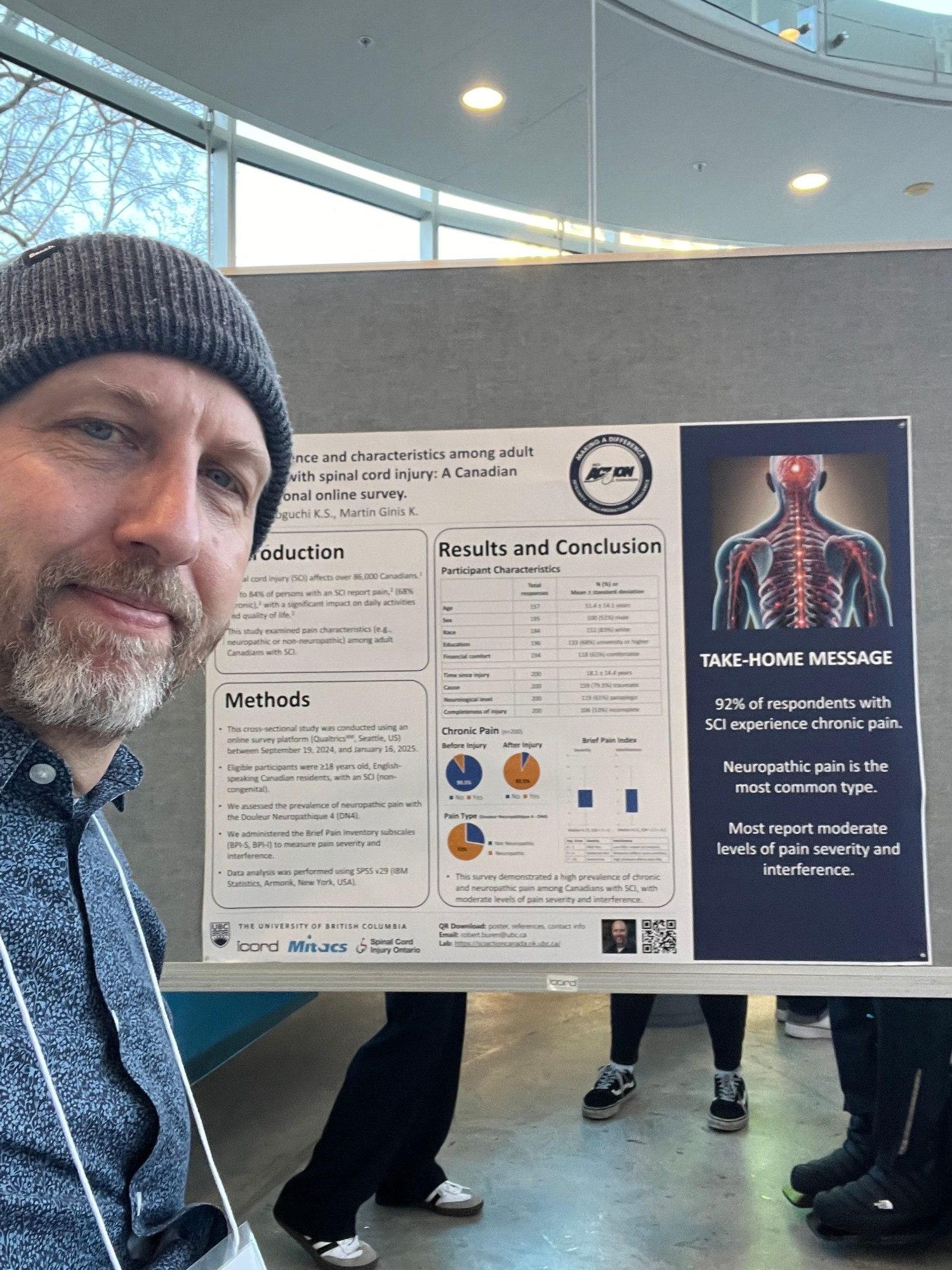
The logic model
A logic model is a map from where you are to where you want to be. Robert's is built backwards from the goal, then lived forwards, one day at a time. This is the shape of it.
Roll over the steps to see it run forwards. Use the buttons to switch back.Use the buttons to switch between the two.
Where you really are, not where you think you are.
An honest starting point, so the plan fits your real life, not an ideal week.
The big goal behind it all: finish the race, less pain, the career.
It matters, but it isn't what you aim at day to day. The goal is the reason. The behaviour is the work.
Start with the one or two that, done consistently, move you toward your goal. Choosing them is key.
Results follow the behaviours, so they become the main thing to aim at and to track.
Emotions, fear, past experiences, old patterns, expectations.
Behaviour change science helps find the real gaps and barriers, so you work on the actual problem, not the one you assumed.
What you put in place: a coach, learning, practice, the right people.
Including someone who will help you stay on track, and a way to track your own progress.
Small things done again and again, by you or with a coach. Drawn from nearly 100 proven behaviour change techniques.
Which ones fit depends on the person and what's in the way. Choosing them well is a big part of what Robert does.
Check in all the way through
Robert takes groups through the six steps in a workshop, and one person at a time in coaching.
See workshops and coachingHow progress builds
Behaviour First is where everyone starts. Resilience keeps it going when life gets in the way. For athletes, executives and teams who perform at the highest level, The Threshold Method is the next stage.
Where everyone starts
Action comes first. Mindset follows.
A lot of advice starts with mindset: think differently and you'll act differently. Behaviour First turns that around. Choose the behaviours that matter, make them doable, and do them. Confidence and motivation tend to grow from the doing.
It's the approach at the centre of Robert's PhD research.
What keeps you going
You have more of it than you think.
Most people don't find out how resilient they are until it's called on, in a crisis. Robert's view: call on it sooner, to make the best of life now. You can't always control how hard a setback hits. You can often change how much it gets in the way of your life.
No guilt required. Missing a day isn't failure. It's information. Like endurance, getting back on track is trainable.
Next stage · For high performance
Grow at your edge, not past it.
Growth happens at the edge in between. The Threshold Method is about finding that edge and working there, again and again, so capacity builds over time. It's for athletes, executives and teams who perform at the highest level.
Under the model
Robert didn't invent these ideas. He learned them, lived them, and put them to work in his doctoral research.
Point at a tile, or tap it, for a short explanation.
People do something when they are able to, when their situation supports it, and when they want to. The Behaviour Change Wheel turns that into a way to design change.
It is the backbone of Robert's logic model.
People stick with things when the goal is truly theirs and they feel capable, in control and connected. Self-efficacy, the belief that you can do it, grows from real wins.
That’s why the model starts with behaviours you can actually do.
Researchers have named and catalogued nearly 100 techniques, from goal setting to self-monitoring and feedback. No one needs all of them.
The skill is choosing the few that fit the person and what's in the way.
A checklist of the things that can block a behaviour: knowledge, skills, beliefs, emotions, habits, and the people and places around you.
It shapes the “What's in the way” step.
Robert's PhD used N-of-1 designs, where each person is compared with themselves over time, and regression analysis of a national survey.
Devices like an Oura Ring, a Garmin or an Apple Watch track sleep, heart rate and activity. EMA (ecological momentary assessment) adds short check-ins on your phone during the day.
Helps the brain learn to read some pain signals as safe, so the pain can ease. It is used for pain that the nervous system keeps going.
Robert completed Pain Reprocessing Therapy training with the Pain Reprocessing Therapy Center (2025).
Helps people notice and express emotions they may have held back, like anger, grief or fear, which can feed pain.
Robert completed the EAET for Chronic Pain course (Wayne State and Michigan State universities, 2024).
Pain isn't only physical. Thoughts, emotions, relationships, work and sleep all shape how much it hurts and how much it gets in the way.
The nervous system doesn't just pass pain signals along. It can turn them up or down, which is why attention, emotion and movement can change what you feel.
Fear of pain leads to avoiding activity, which leads to more disability and more fear. Facing it in small, safe steps can break the cycle.
Robert's own version is the confrontation pathway.
Canada's clinical practice guidelines for managing neuropathic pain after spinal cord injury. Robert's work is designed to fit their treatment principles.
Spotting the thoughts that make something feel harder than it is, and testing them. Change the thinking, and doing gets easier.
One of the tools Robert draws on in his work.
Paying attention to what is happening right now, including discomfort, without judging it or fighting it. It creates a pause between feeling and acting.
One of the tools Robert draws on in his work.
Accepting difficult thoughts and feelings instead of waiting for them to go away, and acting on what matters to you anyway.
One of the tools Robert draws on in his work.
Regular movement, at the right level for you. It builds confidence in your body, and it is a behaviour you can plan, track and grow.
One of the tools Robert draws on in his work.
Where to go next
This page shows the shape of the method. The doing happens with Robert: on stage, in a workshop or one to one.
Keynotes
A keynote shifts how people see challenge, barriers and their own ability, and introduces the logic model.
Workshops · Coaching
Robert takes a group, or one person, through the six steps: from an honest assessment to the tools they'll use.
Book Robert
Tell Robert about your event, your audience and what you want people to do differently. Share with him where you're at and where you're hoping to go.