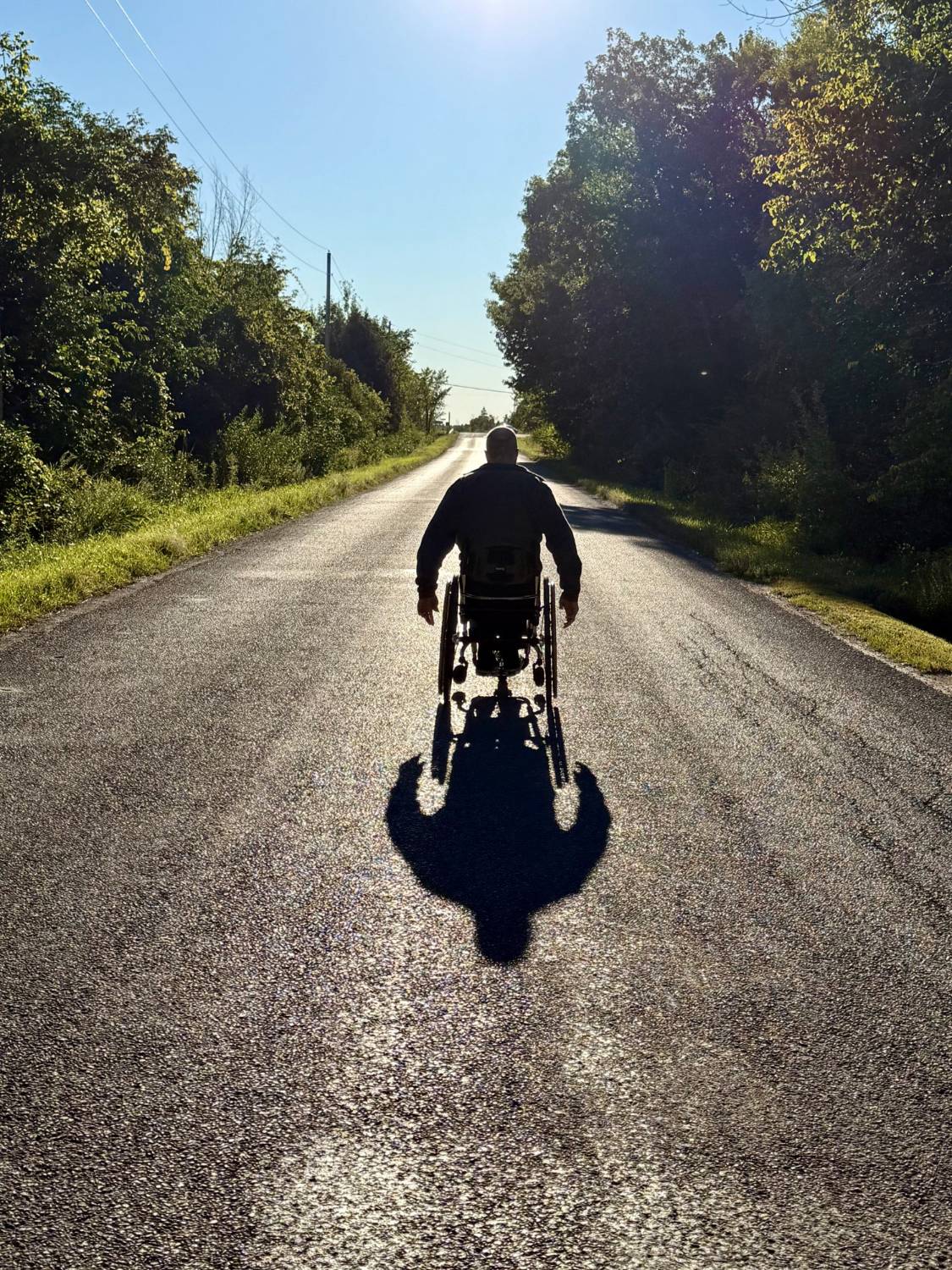
The nugget
Confidence doesn't come before action. It comes from action, one small success at a time.
A question to think about
What's one small win from this week that proves you can do more than you thought?
Rationale and support
What it is
A lot of us wait to feel confident before we start. We tell ourselves we'll begin when we're ready, when we've read a bit more, when the timing is better. The trouble is, that feeling rarely shows up on its own.
Albert Bandura described self-efficacy as the belief that you can carry out the actions needed to reach a goal. It isn't general self-esteem. It's specific: I believe I can do this, here, now. You can feel completely sure of yourself giving a presentation and still doubt you can stick to a new training plan.
That belief matters. Bandura argued that it shapes whether you start something at all, how much effort you put in, and how long you keep going when it gets hard.
What the research says
In his 1977 paper, Bandura laid out where that belief comes from. The most dependable source is your own experience of doing the thing and succeeding. Seeing people like you succeed helps too. So does encouragement from others, and how you read your body's signals, like a racing heart before a big moment. But nothing builds belief like your own track record.
In pain research, pain self-efficacy means confidence in living well despite pain. Michael Nicholas developed a way to measure it, and it acts as a bridge between motivation and behaviour. Kate Lorig's work on chronic disease self-management showed that programs which build skills and confidence can improve health.
In my doctoral work, behaviour came first. Not because confidence doesn't matter, but because every completed action becomes evidence that you can do the next one.
What it means at work
For organizations, confidence is built through early, visible wins, not pep talks. A rousing speech can lift a room for an afternoon. A small task done well, and noticed, gives people evidence they can do it again.
If you're leading a change, design the first steps so people can succeed at them. Make those wins visible. Then raise the bar.
The same order applies to how you support people. Telling them they can do it helps a little. Showing them someone like them doing it helps more. Letting them do it, and succeed, helps most.
What it means for you
Set the bar low enough to succeed today, then raise it. That might feel too easy. That's the point. You're not trying to prove how hard you can push on day one. You're collecting evidence.
Every time you do what you said you'd do, you give yourself a reason to believe you can do it again. Big goals get built the same way: one session, one page, one conversation at a time.
Some days it won't go to plan. That's part of it. One missed day doesn't cancel ten done ones. Don't throw out the evidence you've already collected. Go back to a bar you know you can clear, and build again.
Try this today
Pick one behaviour that matters to you. Make today's version so small you can't miss: five minutes, one page, one phone call. Do it. Then write it down where you'll see it. Tomorrow, raise the bar a little. At the end of the week, read the list. That list is your evidence.
The reminder
You don't need confidence to start. Start small, succeed, and let confidence follow.
Sources
- Bandura, A. (1977). Self-efficacy: Toward a unifying theory of behavioral change. Psychological Review, 84(2), 191-215. https://doi.org/10.1037/0033-295X.84.2.191 (opens in a new tab)
- Lorig, K. R., Sobel, D. S., Stewart, A. L., Brown, B. W., Jr., Bandura, A., Ritter, P., Gonzalez, V. M., Laurent, D. D., & Holman, H. R. (1999). Evidence suggesting that a chronic disease self-management program can improve health status while reducing hospitalization: A randomized trial. Medical Care, 37(1), 5-14. https://doi.org/10.1097/00005650-199901000-00003 (opens in a new tab)
- Nicholas, M. K. (2007). The pain self-efficacy questionnaire: Taking pain into account. European Journal of Pain, 11(2), 153-163. https://doi.org/10.1016/j.ejpain.2005.12.008 (opens in a new tab)